Smart thermostats in Canada operate in conditions that differ substantially from the US market that drove much of their initial design. Canadian heating seasons in provinces like Manitoba, Saskatchewan, and northern Ontario can exceed six months. Many Canadian homes use natural gas forced-air furnaces with multi-stage heating — a configuration that not all smart thermostats support correctly. Understanding which thermostat models are compatible with Canadian HVAC systems, and how their automation features apply to Canadian heating patterns, is the starting point for any installation.
Wiring Compatibility: Canadian Furnace Setups
The most common heating system in Canadian single-family homes is a forced-air natural gas furnace connected to a central air conditioning unit. The thermostat wiring for such a system typically includes:
- R: 24V power supply from transformer
- C: Common wire (return path for the 24V circuit)
- W / W1 / W2: Heat stages (W1 for first stage, W2 for second stage)
- Y / Y1 / Y2: Cooling stages
- G: Fan control
Smart thermostats require the C wire to draw the small continuous current needed for Wi-Fi and display operation. Many Canadian homes — particularly those built before the early 2000s — may have thermostats installed with only four wires (R, W, Y, G), with the C wire unused or absent at the thermostat end. Several smart thermostat models address this with an adapter that uses the G wire as a C wire substitute during heating-only periods, though this approach may not work with all furnace control boards.
Multi-Stage Heating Support
A significant portion of Canadian residential furnaces are two-stage units. First-stage heating operates the burner at a reduced capacity — typically around 65% — and is sufficient for mild cold. Second-stage activates the full burner output during colder periods. Two-stage operation generally results in more even temperature distribution and quieter operation because the furnace runs longer at lower capacity rather than cycling on and off frequently.
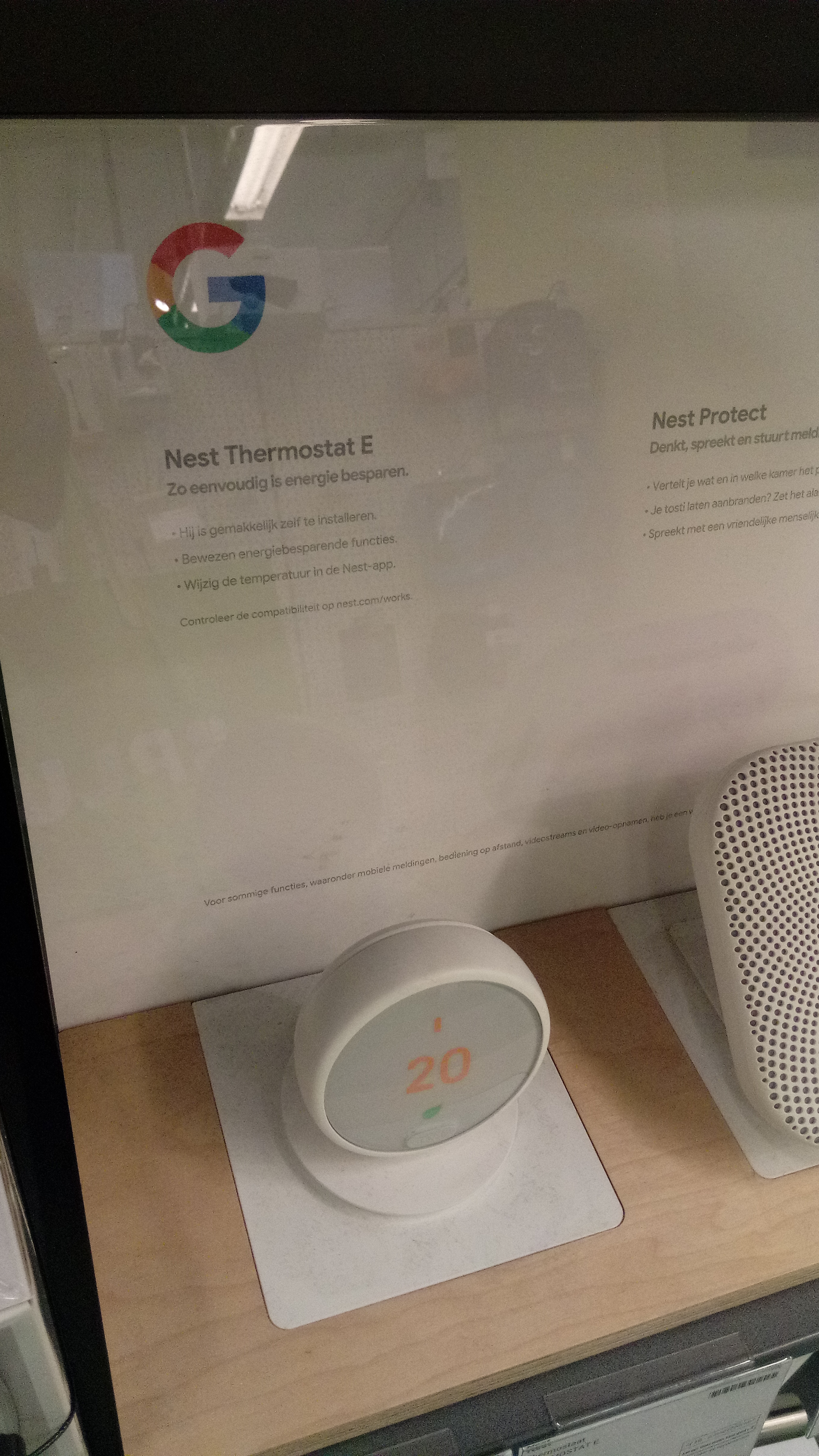
Not all smart thermostats support two-stage heating. Models that do will have W2 wiring terminals and will adjust their control logic to use first stage before engaging second stage. The Ecobee line (a Canadian company, founded in Toronto) explicitly supports dual-fuel and multi-stage configurations, which is part of why it is common in the Canadian market. Nest thermostats also support two-stage heating, though their setup process for multi-stage configurations requires careful wiring diagram review.
Heat Pumps in Canadian Climates
Heat pumps are increasingly present in milder Canadian provinces, particularly British Columbia and Nova Scotia. Cold-climate heat pumps — which can operate efficiently at outdoor temperatures below -20°C — are available from several manufacturers and are promoted under provincial energy efficiency programs. Smart thermostats controlling heat pump systems require additional wiring terminals (O/B for reversing valve) and must handle defrost cycles differently than furnace systems. Ecobee and Honeywell's T-series both support heat pump configurations.
How Learning Algorithms Apply to Canadian Heating Patterns
Learning thermostats — those that observe occupancy patterns and adjust schedules automatically — were designed primarily around a 9-to-5 occupancy model. Canadian households with remote work arrangements or irregular schedules may find that learning algorithms take longer to settle into useful patterns, or require manual schedule corrections. Most smart thermostats now allow hybrid operation: a base schedule is set manually, and the thermostat makes smaller adjustments based on observed patterns or geofencing data.
Ecobee, headquartered in Toronto, was one of the first companies to ship a smart thermostat with a remote occupancy sensor. The SmartSensor approach allows the thermostat to measure occupancy and temperature in multiple rooms, which is relevant in larger Canadian homes where the thermostat location may not be representative of the most-used rooms.
Setback Temperatures in Cold Climates
Programmable setback — reducing the thermostat set point during sleeping or absence periods — is the primary energy-saving mechanism of a smart thermostat. In cold Canadian climates, however, aggressive setbacks (dropping below 16°C when absent) can cause problems: pipes in exterior walls may be at risk if the house cools significantly during extended absences in very cold weather. Most smart thermostat guides for Canada recommend a minimum indoor setback temperature of 15–16°C during absence periods, and avoiding setbacks below 13°C regardless of duration.
Provincial Energy Rebate Programs
Several Canadian provinces have offered rebate programs for smart thermostat purchases as part of broader energy efficiency initiatives. The specific programs, eligibility criteria, and rebate amounts change over time and vary by province. Homeowners should verify current offerings directly through provincial utility websites or Natural Resources Canada's database of available incentives at nrcan.gc.ca.
Installation Considerations
- Verify C wire availability before purchasing any smart thermostat; take a photo of the existing wiring before removal
- Check whether the furnace control board is compatible with the smart thermostat's power draw method, particularly if using a C wire adapter
- For two-stage furnaces, confirm the thermostat explicitly supports multi-stage heating in its wiring documentation, not just in marketing materials
- Thermostat placement affects accuracy: avoid locations in direct sunlight, near drafts, or in rooms that are consistently warmer or cooler than the rest of the house
- In vacation or seasonal properties, ensure the thermostat has a local minimum temperature setting that can be enforced without Wi-Fi connectivity
Netatmo Thermostat: A European Option Available in Canada
The Netatmo Thermostat is available through Canadian retailers and presents an alternative architecture: it uses a relay module that connects to the furnace, and a wireless room unit that serves as the temperature sensor and interface. This separation is useful in homes where the furnace room and main living area are far apart. The Netatmo thermostat is compatible with Apple HomeKit, Google Home, and Amazon Alexa, and supports scheduling through a smartphone application.